The Math Behind Every Fourth-Down
A different kind of math tutoring in Green Bay: the probability and expected-value math behind football’s biggest decisions, and why every play call is a math…
Decision
A different kind of math tutoring in Green Bay: the probability and expected-value math behind football’s biggest decisions, and why every play call is a math problem.
Introduction
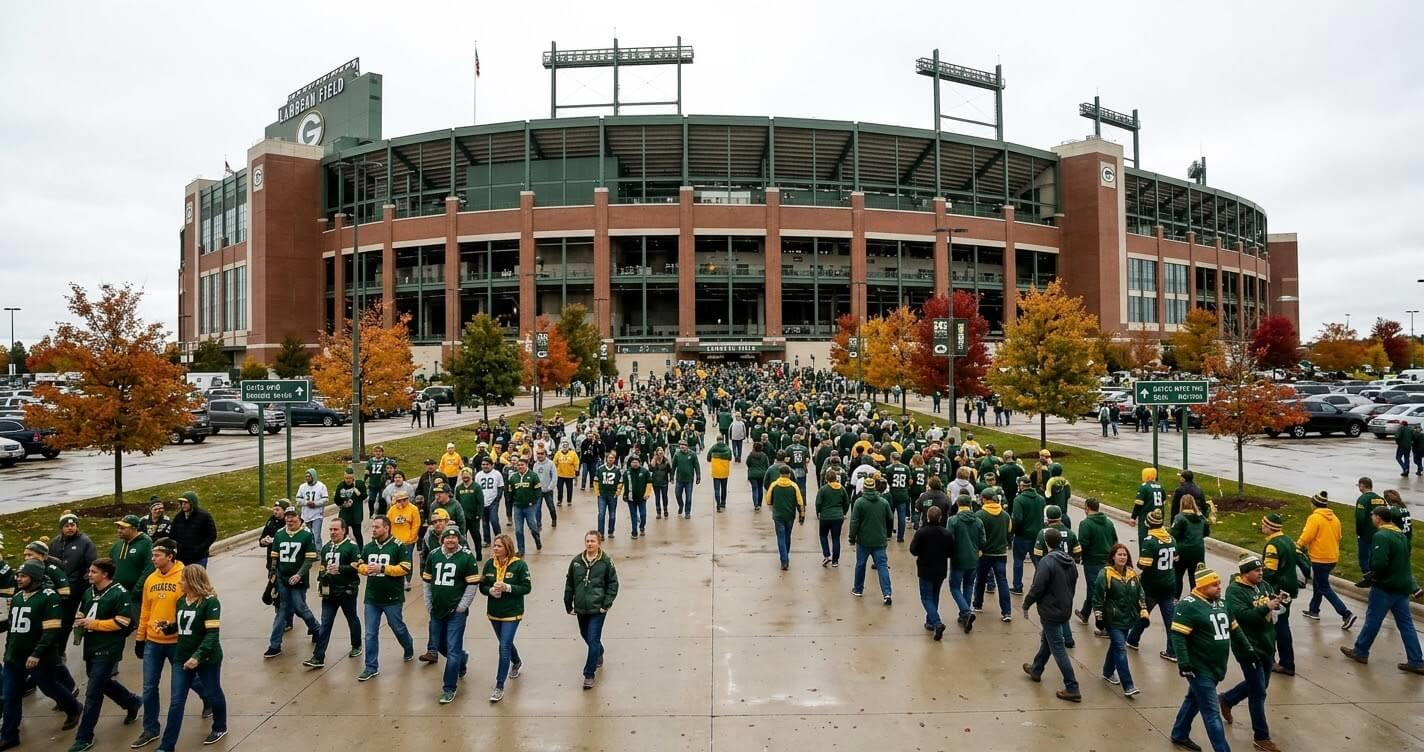
Every time the Packers face a tough fourth down, there’s a math problem happening on the sideline that most fans never notice, buried under all the noise of the crowd and the countdown clock, and it’s exactly the kind of real-world example we bring into math tutoring in Green Bay.
Football Fans Are Already Doing Math, They Just Don't
Call It That
Anyone who’s ever groaned at a coach’s decision or argued that a team “should have gone for it” has already made an intuitive probability in sports judgment, whether they realize it or not.
The only difference between that gut reaction and what an analytics team does is that the analytics team backs it up with actual numbers instead of just a strong feeling and a rewatch of the replay.
Should the Packers Go For It on Fourth Down?
Coaches (and the analytics team crunching numbers behind the scenes) weigh the probability of each outcome before making the call.
The NFL’s own analytics decision tools calculate win probability for punting, kicking a field goal, or going for it, comparing all three before recommending the smartest option. These tools factor in the score, the clock, field position, and even how the specific offense and defense on the field tend to perform, then spit out a recommendation in real time.
The Numbers Behind “Going For It”
The decision comes down to comparing the expected value of each option, the same concept behind weighing risk and reward in an algebra word problem.
If going for it succeeds only 45% of the time but the payoff is much bigger than a field goal’s near-certain smaller reward, the math might still favor the riskier choice. That’s not a coach’s gut feeling, that’s a calculation, and it’s the same kind of expected-value thinking that shows up in a probability unit, just with a lot more people yelling about it in the stands.
Every Play Call Is Basically a Math Problem
Yardage, time remaining, and score difference all feed into a constantly updating probability estimate of who’s likely to win.

Even something as simple as deciding whether to run the clock out or push for another score is a math problem in disguise, one built from the exact same probability and ratio concepts covered in a typical Algebra 2 class. That constantly shifting “win probability” graph shown during broadcasts is being recalculated after literally every single play.
You Don’t Need to Be a Coach to Think This Way
Weighing risk against reward using real numbers instead of gut feeling is a skill that pays off far beyond the football field.
Next time a fourth-down decision gets debated at a tailgate, there’s a decent chance the loudest argument in the group is really just two people disagreeing about football math, whether they realize it or not. It’s the same skill that helps later with bigger decisions too, weighing a job offer, a loan, or which college to choose, once someone actually gets comfortable putting real numbers behind a gut feeling instead of just trusting it blindly. It’s the kind of high school math help that pays off well past game day, and one more thing we build into math tutoring in Green Bay sessions.