The Hidden Math That Keeps Bridges (and Lambeau Field) Standing
Real high school math help hiding in plain sight: the simple geometry rule behind why triangles keep bridges and stadiums like Lambeau Field standing.
Real high school math help hiding in plain sight: the simple geometry rule behind why triangles keep bridges and stadiums like Lambeau Field standing.
Introduction
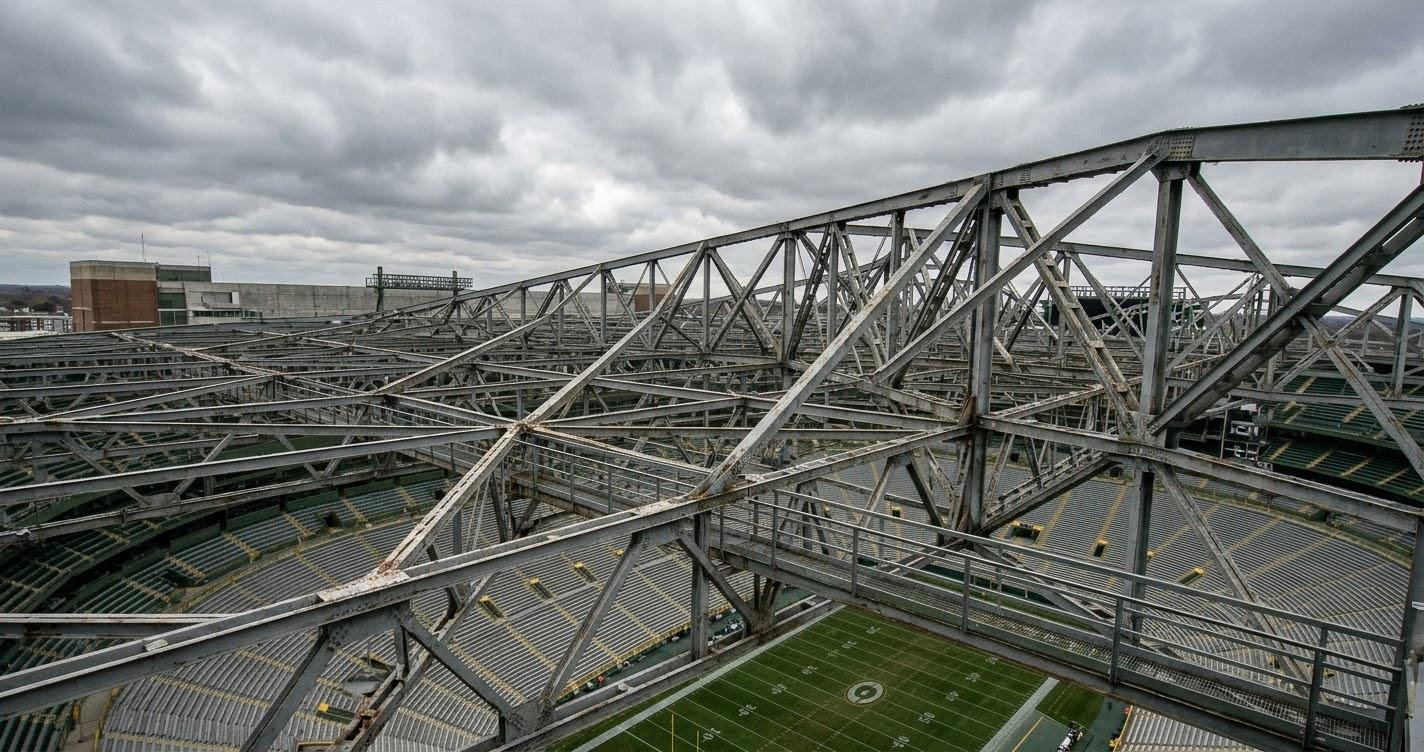
Every bridge over the Fox River, and every beam holding up Lambeau Field, is leaning on one simple geometry fact most students learn and then forget: triangles don’t bend. That one idea is some of the most practical high school math help there is, and it rarely gets the credit it deserves.
Why Triangles, and Not Squares, Hold Bridges Together
A triangle can’t change shape without one of its sides actually changing length, while a square can quietly collapse into a lopsided parallelogram under pressure.
Push on the corner of a square frame, and it leans. Push on a triangle, and it simply doesn’t move, the shape itself resists the force. That single difference is why engineers reach for triangles every time something needs to hold serious weight.
When force does hit a triangle, it doesn’t bend the shape, it just pushes and pulls along the straight sides, called compression and tension. The triangle’s geometry quietly converts a complicated pushing force into two simple, predictable ones, which is exactly the kind of problem engineers can actually calculate for.
A square has no such luck. Push on one corner, and the whole frame tilts into a slanted parallelogram without a single side changing length, which is exactly why a wobbly bookshelf or an old wooden gate always seems to lean the same direction over time.
The Simple Geometry Rule Engineers Can't Live Without
Three fixed side lengths can only ever form one possible triangle, a geometry fact called the Side-Side-Side rule.
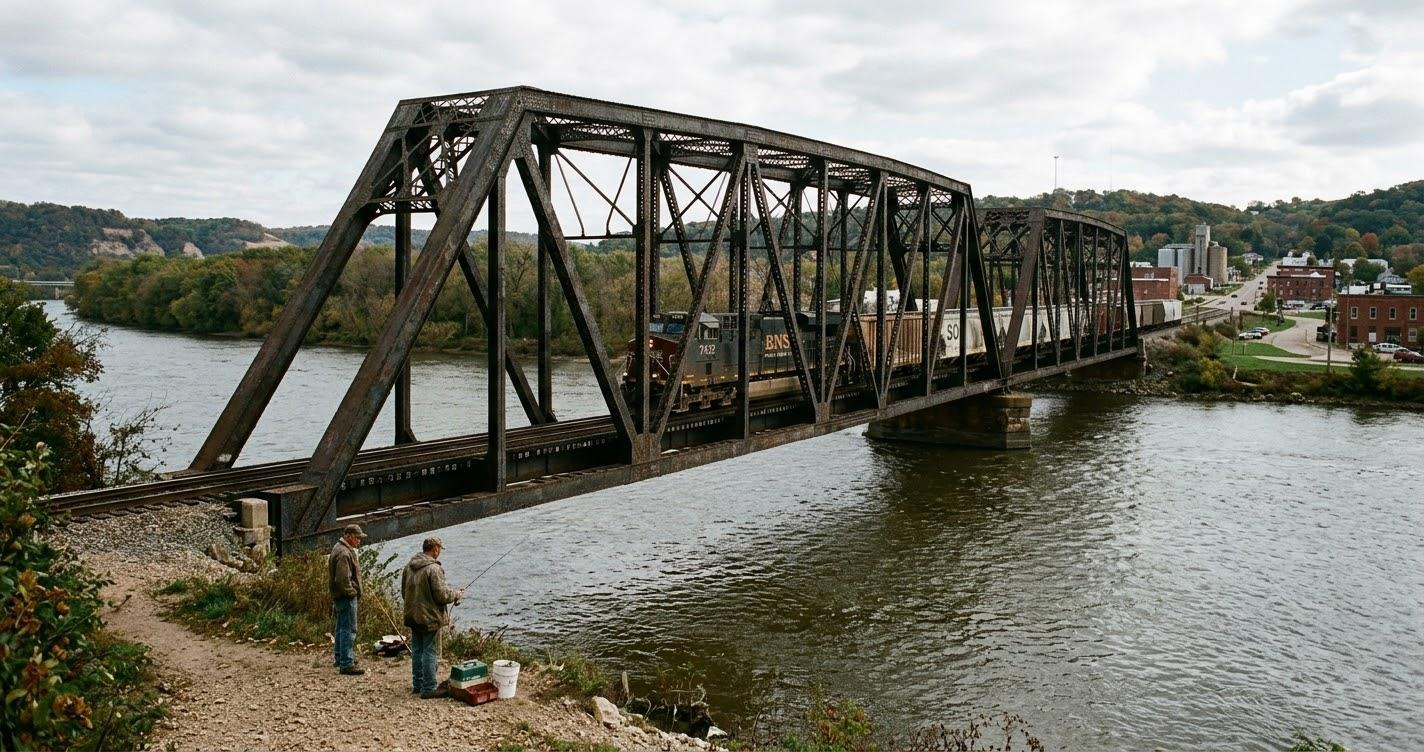
This rigidity is exactly why trusses are built almost entirely from triangles, from railroad bridges to roof frames. The geometry itself does the structural work, locking the shape in place long before any extra material gets added for strength.
It’s the same congruence rule covered in a typical geometry class, usually introduced with nothing more dramatic than two triangles on a worksheet. Turns out that exact rule is quietly
holding up buildings, cranes, and stadium roofs well beyond anything a textbook example lets on.
Where This Shows Up Around Green Bay
Look closely at the steel framework supporting Lambeau Field’s roof, or the trusses on a bridge crossing the Fox River, and the triangles are everywhere, quietly doing the exact geometry real life most students only ever see on a worksheet.
It’s one of our favorite examples in math tutoring in Green Bay, because it turns a shape from a geometry chapter into something holding up actual weight a few miles from home. Once a student spots it once, they tend to start noticing triangles in structures everywhere.
What to Remember
A triangle that can’t bend is the quiet reason bridges and stadium roofs hold their shape, and turning that one geometry rule into something a student can point at in real life is exactly what good high school math help should do.