The Math Trick Your Teacher Never Taught You (But Should Have)
A staple of math tutoring in Green Bay: a simple mental math trick for squaring numbers ending in 5, why it works, and how it helps on the SAT and ACT.
A staple of math tutoring in Green Bay: a simple mental math trick for squaring numbers ending in 5, why it works, and how it helps on the SAT and ACT.
Introduction
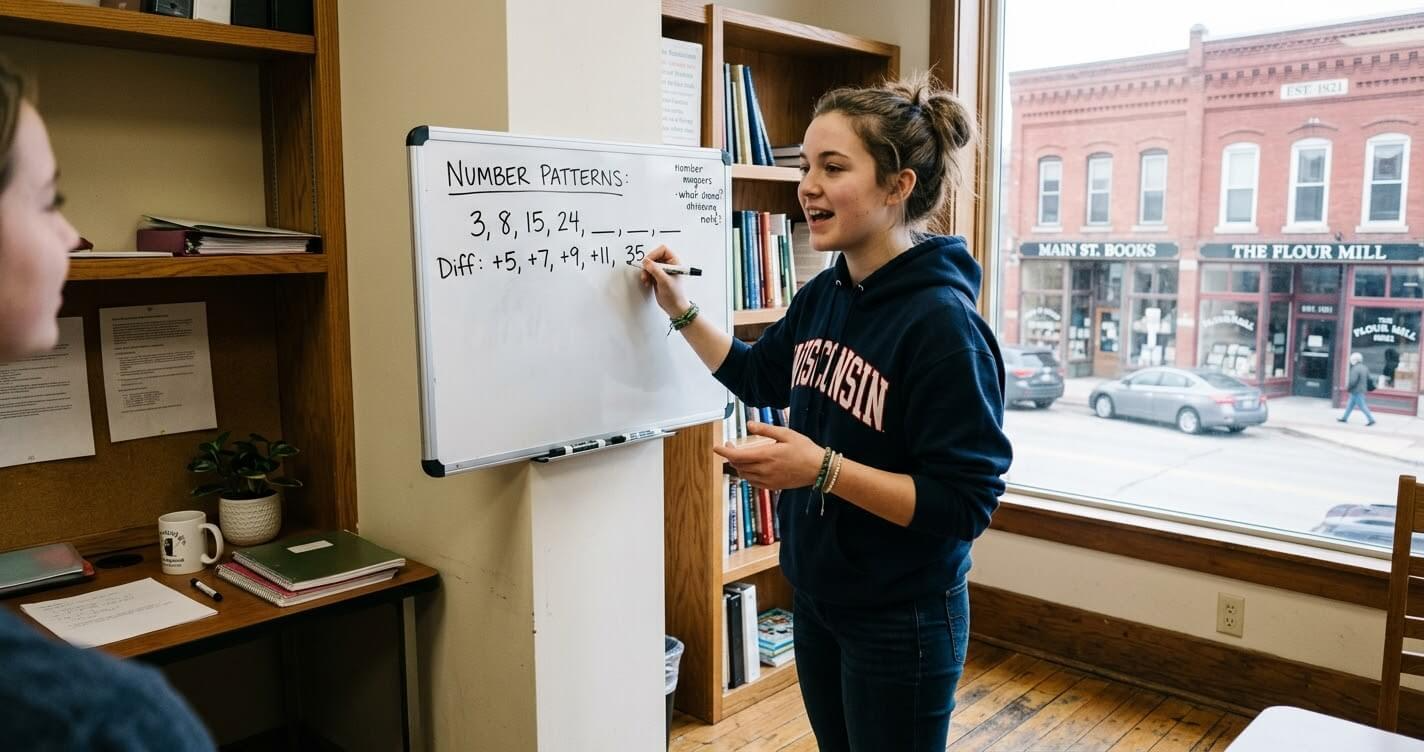
We’re going to teach you something in the next thirty seconds that will make you look like a math genius at the dinner table. No calculator required. It’s a small trick, but it’s exactly the kind of pattern that, once it clicks, makes a student start looking for shortcuts everywhere instead of grinding through every problem the long way, which is exactly the mindset good math tutoring in Green Bay tries to build.
The Trick: Squaring Any Number Ending in 5
Take the digit(s) before the 5, multiply by one more than itself, then stick “25” on the end. That's the answer.
Try it with 35. The digit before the 5 is 3. Multiply 3 by 4 (one more than itself): 12. Stick 25 on the end: 1,225. Check it on a calculator, 35 × 35 = 1,225. Every single time.
Bigger number? Try 65. 6 × 7 = 42. Add 25: 4,225. That’s 65 squared, done in your head in under five seconds. Even a number like 105 works the same way: 10 × 11 = 110, add 25, and you’ve got 11,025, which is exactly what 105 × 105 equals.
Why This Actually Works (For the Curious Ones)
It’s not magic, it’s algebra hiding in plain sight.
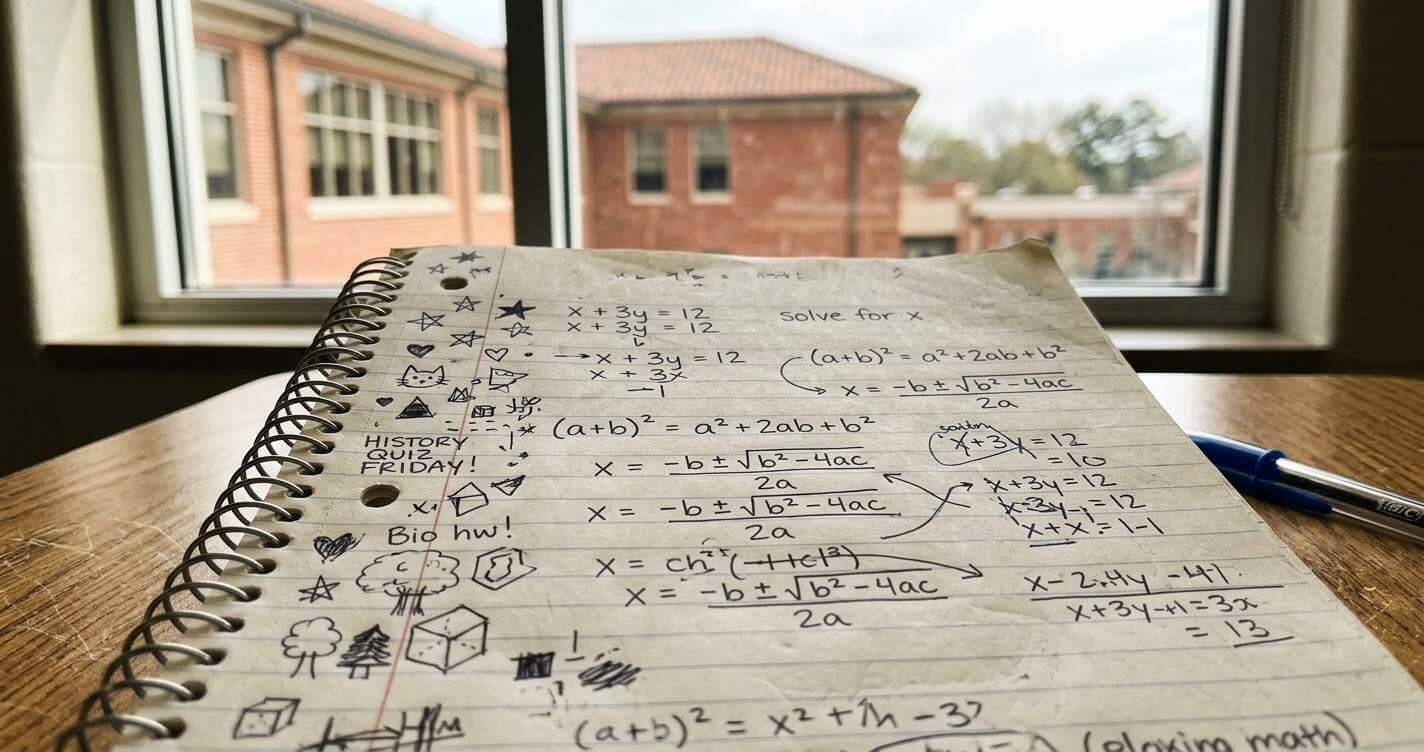
Any number ending in 5 can be written as (10a + 5), where a is the digit before the 5. Squaring that gives 100a² + 100a + 25, which simplifies to 100 × a(a+1) + 25. That’s exactly the trick: multiply a by one more than itself, then tack on 25. Seeing why a trick works is usually more useful than the trick itself, because it means the pattern will actually stick instead of getting forgotten the moment the numbers change slightly.
This is also why we spend more time on the “why” than most classrooms have time for. A student who only memorizes the steps for one specific type of problem tends to freeze the moment a test question looks even a little different. A student who understands where the steps come from can usually rebuild the method on the spot, even for a problem they've never seen before.
Where This Helps Beyond Party Tricks
Mental math shortcuts build number sense, and number sense is what the no-calculator sections of the ACT and SAT are really testing.
Tricks like this one aren’t about being flashy. They’re proof that a student understands how numbers actually behave, not just how to punch buttons on a calculator. That understanding is exactly what we build with every student, one pattern at a time, until math stops feeling like memorized steps and starts feeling like something they actually get. And once a student has a few of these patterns down, they tend to start hunting for more mental math tricks on their own, which is usually the moment math stops being a subject they tolerate and starts being one they’re a little bit curious about.
The Bottom Line
If your student picks up this one trick and shows it off at dinner tonight, that’s a nice bonus. What we actually care about is what happens next time they hit a problem that doesn’t look familiar, whether they freeze, or whether they start looking for the pattern underneath it, the same way this one worked. This is the kind of high school math help that goes beyond a single trick, and it’s exactly what regular math tutoring in Green Bay sessions are built around.